
Notes from the field and from the team.
Raw materials and the regions they grow in, how we work, the technology behind Finches, and the people building it.
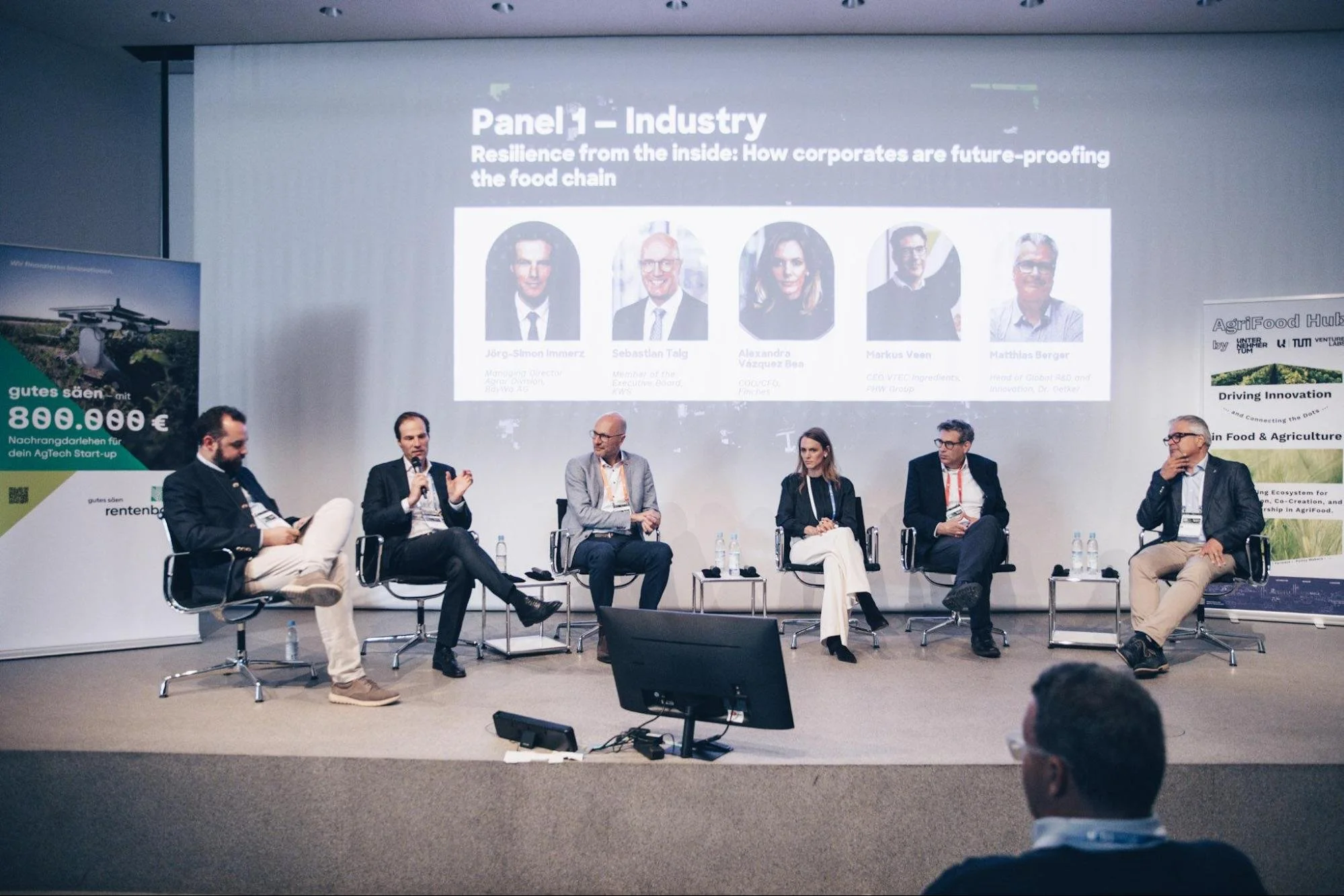
You can’t shrink a cucumber: resilience starts in the field
At the AgriFood Demo Day in Munich, Alexandra Vázquez Bea argued that food chain resilience starts in the field. Two Bavarian cucumber summers show how a run of warm nights ends up on a factory’s shift plan.

It all comes from the same field: what food buyers need from farm data
Episode 2 of The First Mile. Matthias Nachtmann on skylark bread, seventeen forms for one field, and the rules of the road that farm data still lacks.

Water always moves from wet to dry: crunchy snacks and nut sourcing
Mondelez built its Dairy Milk Biscoff bar to keep water away from the biscuit. The almonds in a snack took on their water earlier, on the orchard floor in August, and a moisture certificate can’t tell you where that water has been.

The same rain doesn’t grow the same crop anymore. So we raised €2M.
Finches has raised €2 million in pre-seed funding, led by HTGF with Vanagon Ventures as co-lead, alongside Bayern Kapital, UnternehmerTUM and our angels. Here's what the money is for, and why this summer made the case for it.
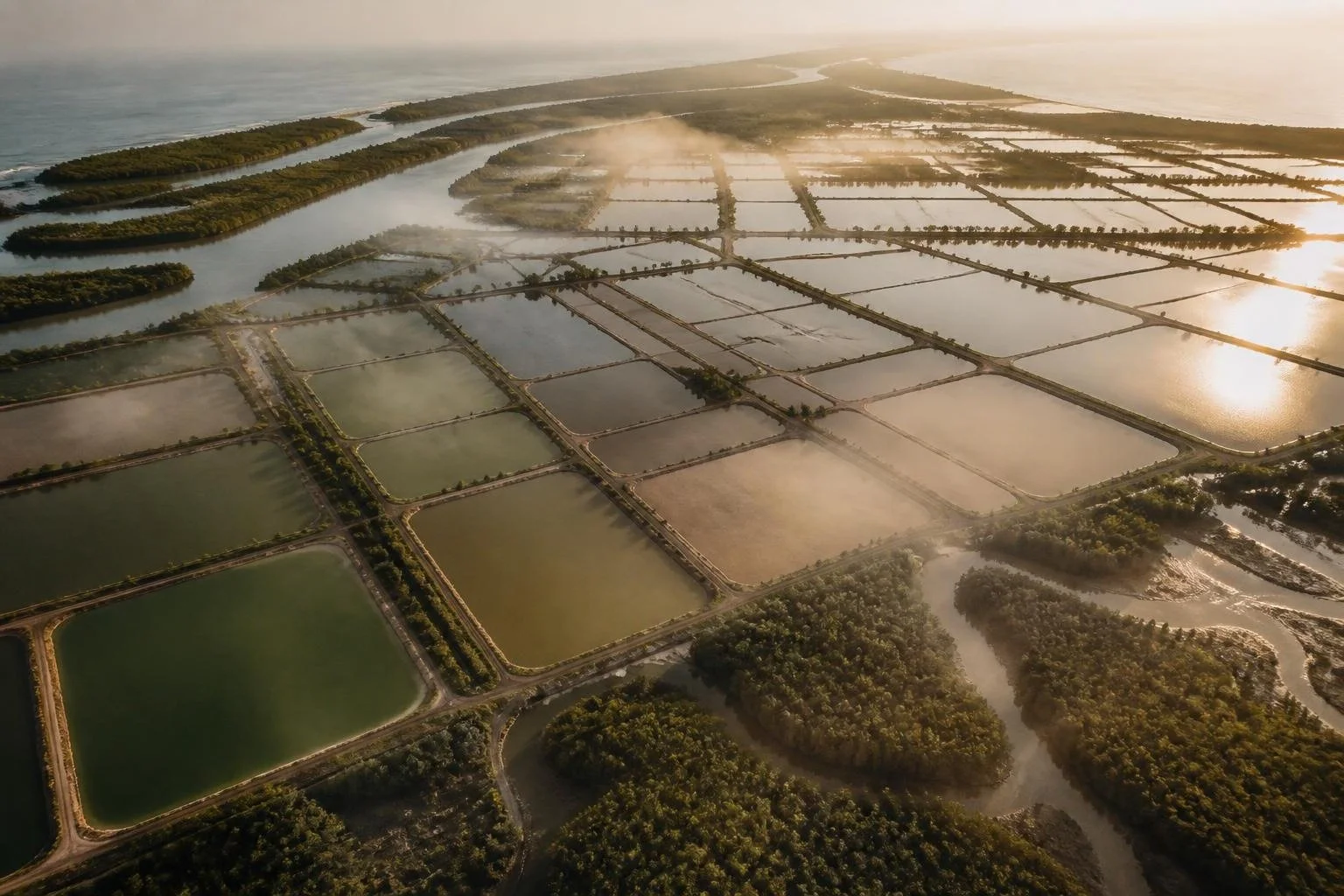
Warm water helps shrimp grow until the rain comes: El Niño and Ecuador
A microphone on a shrimp pond hears when the animals eat less after heavy rain. With a very strong El Niño forecast, the farms behind Ecuador's 1.39 million metric tons face weather and trade risks at once.
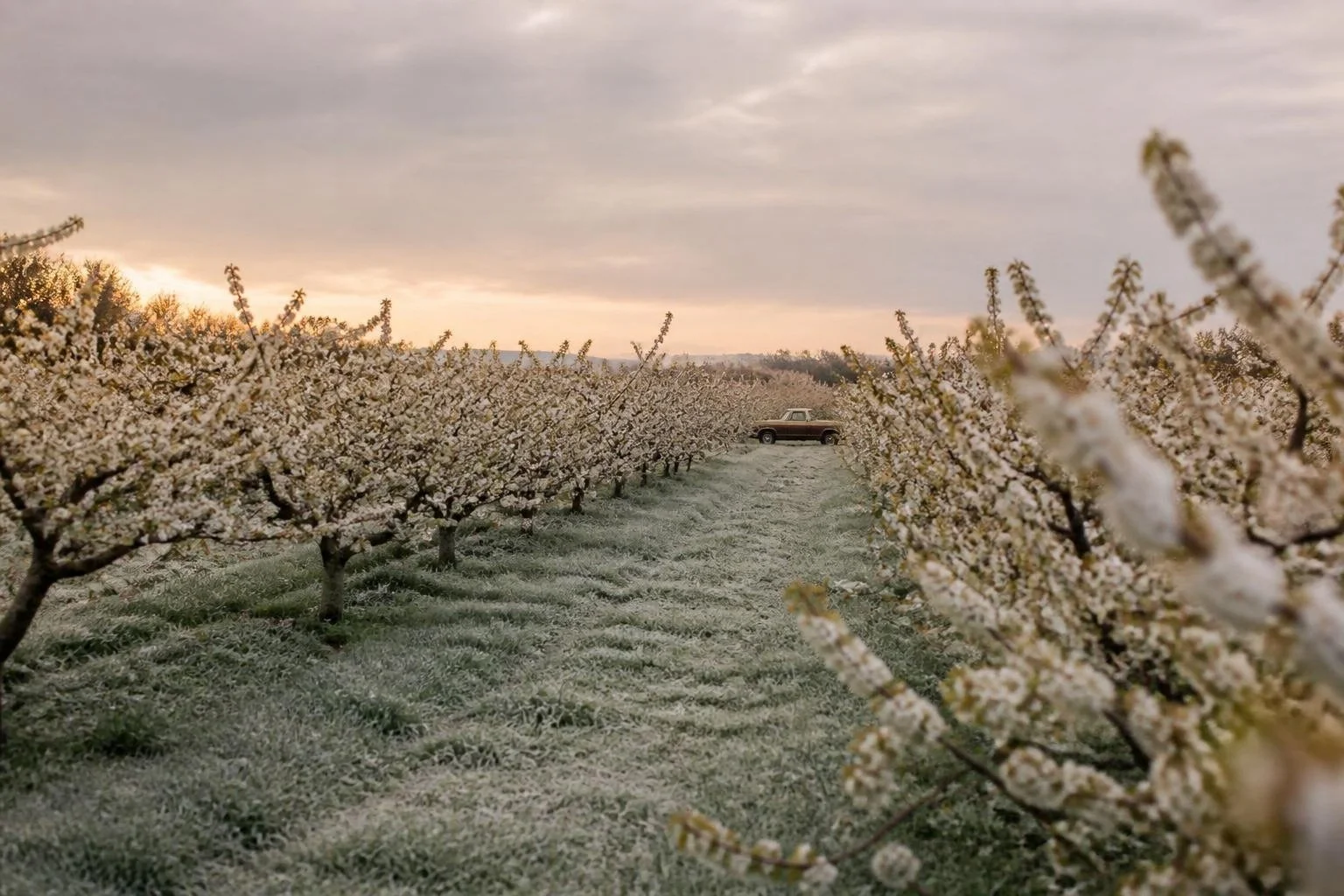
You can't tell a customer to come back next year: the sour cherry gap
The world grew a record cherry crop in 2026. The sour cherries that go into freezers, juice and jars came up short again, in Michigan and across Europe.

A trend can be over in ten months. A field answers in five years.
Viral demand moves in weeks. A whey concentration line takes two to four years, a tea field five, a pistachio tree ten. What a sourcing team can see before the price tells them.

You can’t put flowers back on a tree
Peru’s mango harvest starts in the first week of October, and how much comes off the trees was settled in July by night temperatures over the Pacific. What the flowering counts actually say, why the two men reporting them do not agree, and what happened the last time this ocean ran warm.

Call us when you see smoke: the rule that keeps McDonald's Germany supplied
In the first episode of our new webcast The First Mile by Finches, Diana Wicht, Supply Chain Lead at McDonald's Deutschland LLC, on why volatility only works in the plural, and why she asks her suppliers to call when they see smoke.

The wells under the concrete: what Huelva's strawberry water actually depends on
Huelva's illegal Doñana wells are being sealed and the abstraction limits have just been lifted. The water that was supposed to replace them is 63 percent unbuilt.

Supply Chains Are Too Slow to Act on the Risks They Already See
The real damage of a supply chain disruption builds in the hours between the first signal and your first useful decision. On average, food manufacturers waste 49.6 hours just detecting an issue and analyzing its impact - a delay that drains revenue and destroys your window to secure alternative agricultural sourcing. Discover how to bridge the gap between signal and action.

The Food System Doesn't Have a Data Problem. It Has a Timing Problem.
The signals were there, the problem is that by the time they reach a procurement desk in Frankfurt or Antwerp, the decision window has already closed. From aflatoxin in Austrian maize to fertilizer shocks triggered by geopolitical crises, the food system's real vulnerability isn't data scarcity - it's the structural gap between signal and action. This is what Finches was built to close.

From an 8am voice note to a 4pm sourcing decision: introducing the Finches platform
Our first enterprise partners are live, the team is growing, and working closely with customers has sharpened our thinking considerably. We want to share where the product stands today: what is already shipping, what is coming next, and why we are building in this order.

I Talked to 40 Food Companies in 1 Day. They're All Flying Blind.
I talked to 40 food companies at Anuga Select Brazil. They're all flying blind on raw material sourcing. Here's what's broken in agricultural supply chains and how field intelligence can fix it.

Where Retail Supply Chains Start to Strain: Fresh, Time, and Upstream Risk
Retail supply chains often start to strain upstream, where fresh supply, time constraints, and sourcing risk intersect. In categories with limited shelf life, small disruptions in harvest, quality, or availability can quickly cascade into waste, expediting, and missed service levels downstream. Understanding how freshness, latency, and upstream decisions interact is critical to building more resilient retail supply chains.

Why 2025’s Potato Surplus Is as Dangerous as a Shortage
A record potato harvest in 2025 exposed a hidden risk: surplus can break supply chains just like shortages through storage limits, volatility, and misaligned incentives.

Planetary Boundaries Explained: How the Scientific Framework Is Reshaping Business Sustainability
For our latest blog post, we sit down with Marina Haydn, sustainability advisor and co-founder of the non-profit organization Doughnut Vienna (Donut Wien), to unpack why the food and beverage sector is ground zero for planetary overshoot and how technology might just be the key to navigating back into a safe operating space.

Global Orange Juice Shortage: How Brazil & Florida’s Supply Chain Collapse Is Driving Prices Up
Global orange juice prices are hitting record highs as extreme weather and citrus disease disrupt production in Brazil and Florida. This article breaks down the orange juice supply chain crisis, why shortages are happening, and how climate change is reshaping the global breakfast economy.

Why the Supply Chain Is Breaking and How a Decoupled Data Architecture Can Fix It
Food supply chains face major pressure (climate, ESG) but are hampered by "data chaos" – critical data is trapped in scattered formats (PDFs, chats) and decisions are made on tools like Excel. Finches CTO Steffi Glenn and analyst Carlo Velten propose the fix: combining a decoupled data architecture with Generative AI (GenAI) to finally achieve supply chain resilience.

How GenAI Is Rewriting the Startup Playbook: Insights from Road to DevFest 2025
At Road to DevFest 2025 in Munich, Finches’ Co-founder and CTO, Steffi Glenn, discussed how Generative AI (GenAI) is becoming essential for survival in volatile markets, stressing that speed and resilience are the new measures of success.