
“Please call when you see smoke, not when the fire is already burning.”
„Ruft bitte schon, wenn ihr Rauch seht,
und nicht, wenn das Feuer lodert.“

My guest is Diana Wicht, supply chain lead for McDonald’s Germany: purchasing, logistics, food safety, quality and sustainability, behind 1,400 restaurants and more than 1.5 million guests a day. We discuss why she talks about volatility in the plural, why closed ports are not on her list, what it means that a potato variety can only be judged once a year, and how contract farmers now grow the wheat for the buns between potato crops.
Six things she says that are hard to hear anywhere else.
The first mile is the part nobody talks about in public.
Every conversation about food supply chains starts three steps too late, at the factory or on the shelf. The first mile is earlier: the field, the mill, the buyer in August asking whether this harvest will do what the contract says it will. That is where quality, risk and cost are actually decided.
The people doing that work carry a picture of their supply chain that exists nowhere in writing. They know which warnings turned out to be noise, which supplier calls at the right moment, and what they would want to know one season earlier. I want to hear it while it is still fresh, and I want it on the record, because the next person facing the same season has nowhere to look it up.
Catharina van Delden, Finches
Watch the conversation.
Diana Wicht is supply chain lead for McDonald’s Germany: 1,400 restaurants, more than 1.5 million guests a day. She says which warnings reach her early enough to matter, why she talks about volatility in the plural, and the one sentence she gives every supplier she works with.
The recording opens as soon as you submit. Tick the email box and the next conversations reach you too, together with the background we gather while preparing them.

Call us when you see smoke
Episode 02 is recorded.
Guests appear here once they have signed off, not before.
The drought that started this.
In Uruguay I look after 500 pecan trees and a rain gauge. In a dry year the loss announces itself months ahead, and what happens in those months decides how much of the crop survives it. Almost none of that early knowledge reaches the people who buy the harvest. Closing that gap between knowing and acting is what my company works on, and it is what I ask every guest about.
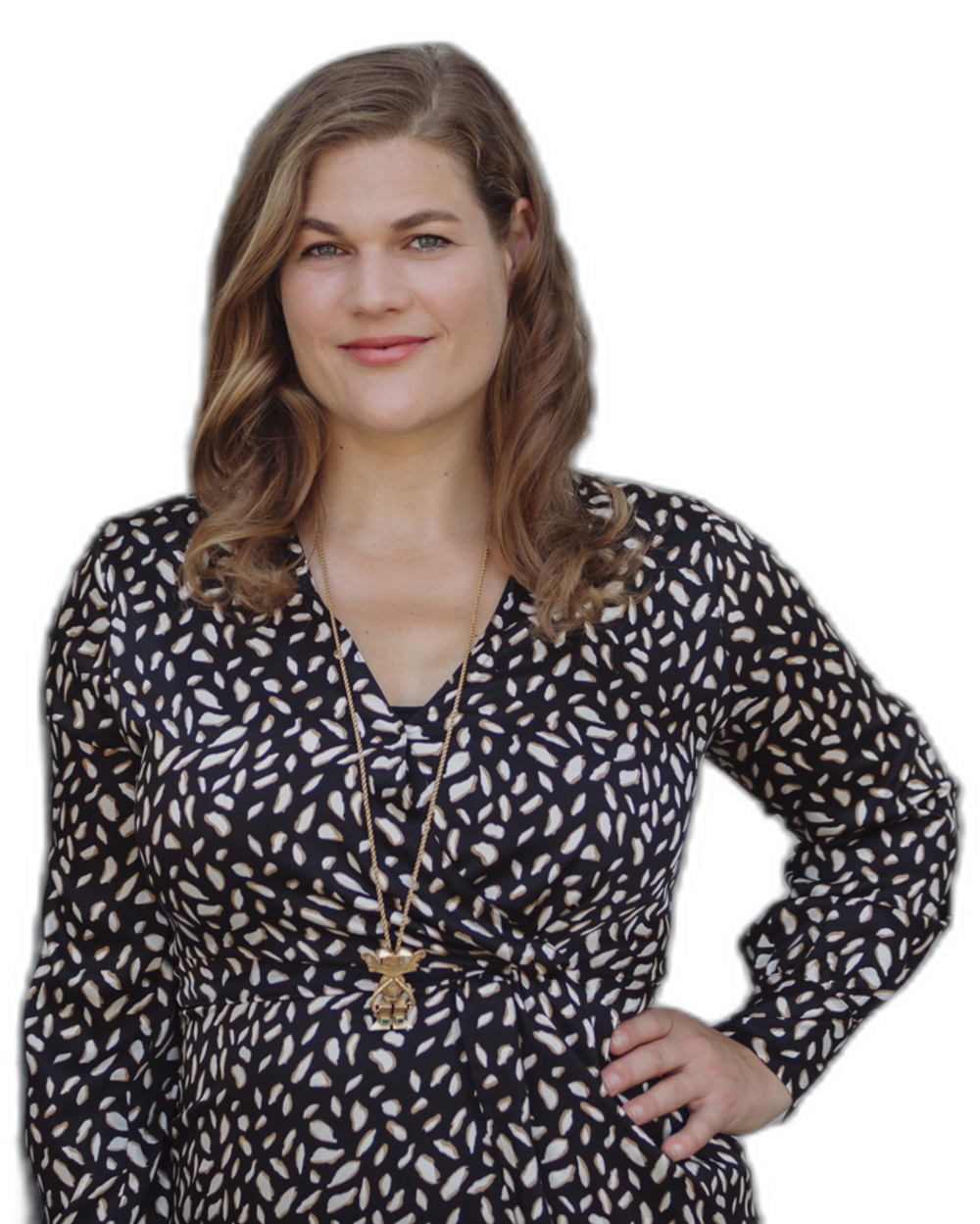
Catharina van Delden is co-founder and CEO of Finches. Before that she built innosabi out of TU Munich into the European market leader in its category.
Someone in your team who should be on this?
We record one conversation every few weeks with someone who carries real responsibility for raw materials. Nothing goes out before you have seen the cut, the article and the clips.
Write to us through the contact page and mention The First Mile. The note reaches Catharina directly.