

I Talked to 40 Food Companies in 1 Day. They're All Flying Blind.
I talked to 40 food companies at Anuga Select Brazil. They're all flying blind on raw material sourcing. Here's what's broken in agricultural supply chains and how field intelligence can fix it.
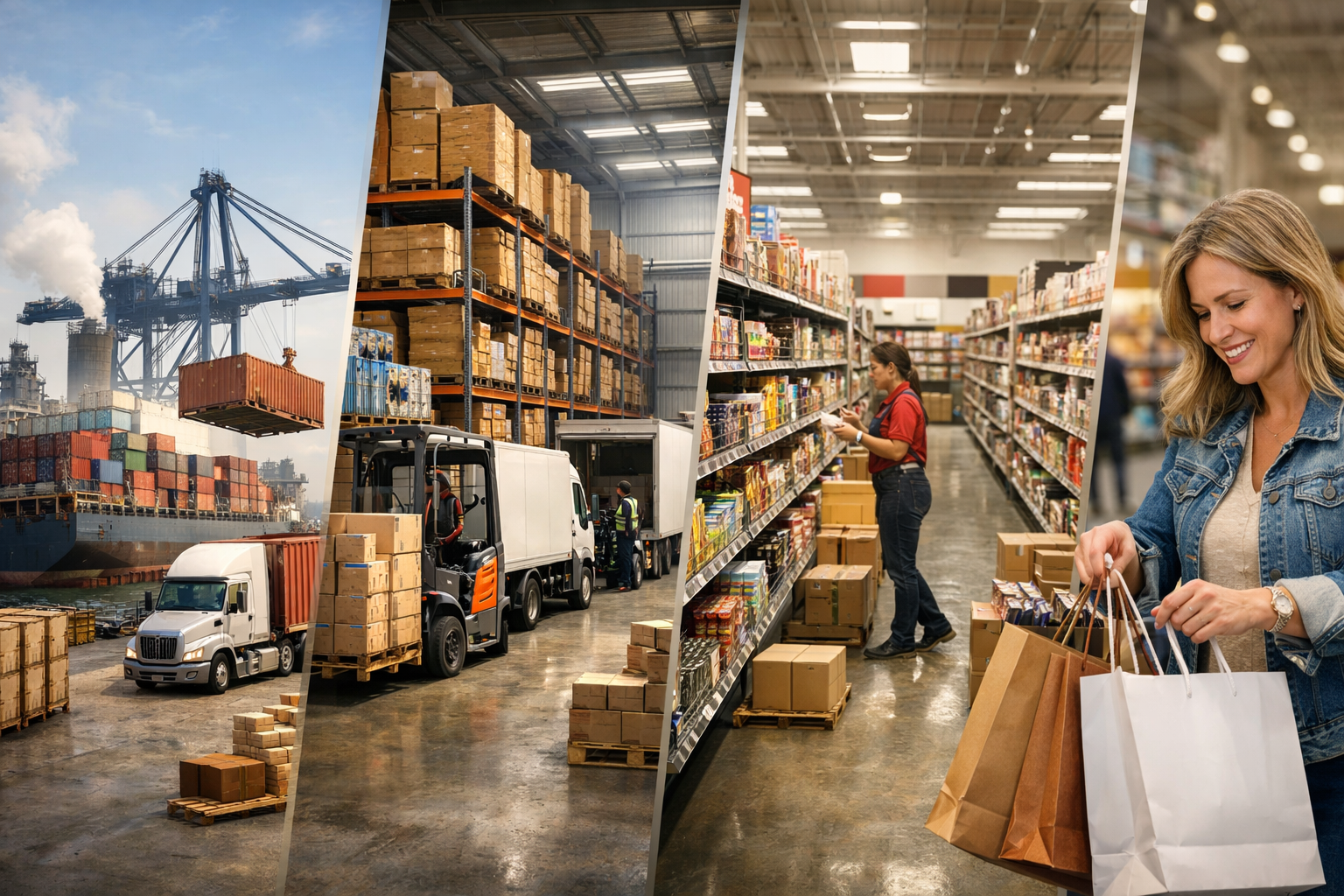
Where Retail Supply Chains Start to Strain: Fresh, Time, and Upstream Risk
Retail supply chains often start to strain upstream, where fresh supply, time constraints, and sourcing risk intersect. In categories with limited shelf life, small disruptions in harvest, quality, or availability can quickly cascade into waste, expediting, and missed service levels downstream. Understanding how freshness, latency, and upstream decisions interact is critical to building more resilient retail supply chains.
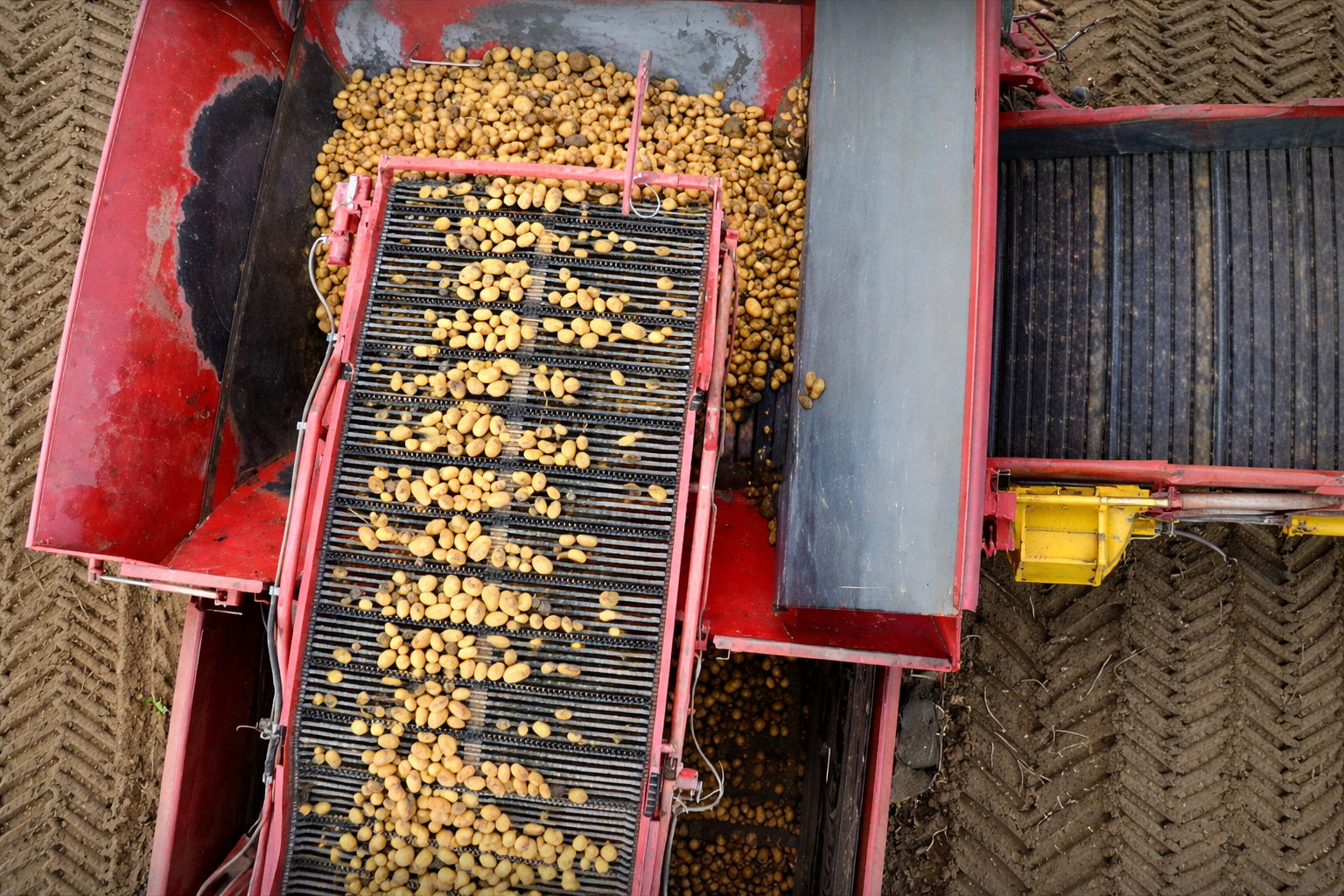
Why 2025’s potatoe Surplus Is as Dangerous as a Shortage
A record potato harvest in 2025 exposed a hidden risk: surplus can break supply chains just like shortages through storage limits, volatility, and misaligned incentives.

Planetary Boundaries Explained: How the Scientific Framework Is Reshaping Business Sustainability
For our latest blog post, we sit down with Marina Haydn, sustainability advisor and co-founder of the non-profit organization Doughnut Vienna (Donut Wien), to unpack why the food & beverage sector is ground zero for planetary overshoot and how technology might just be the key to navigating back into a safe operating space.
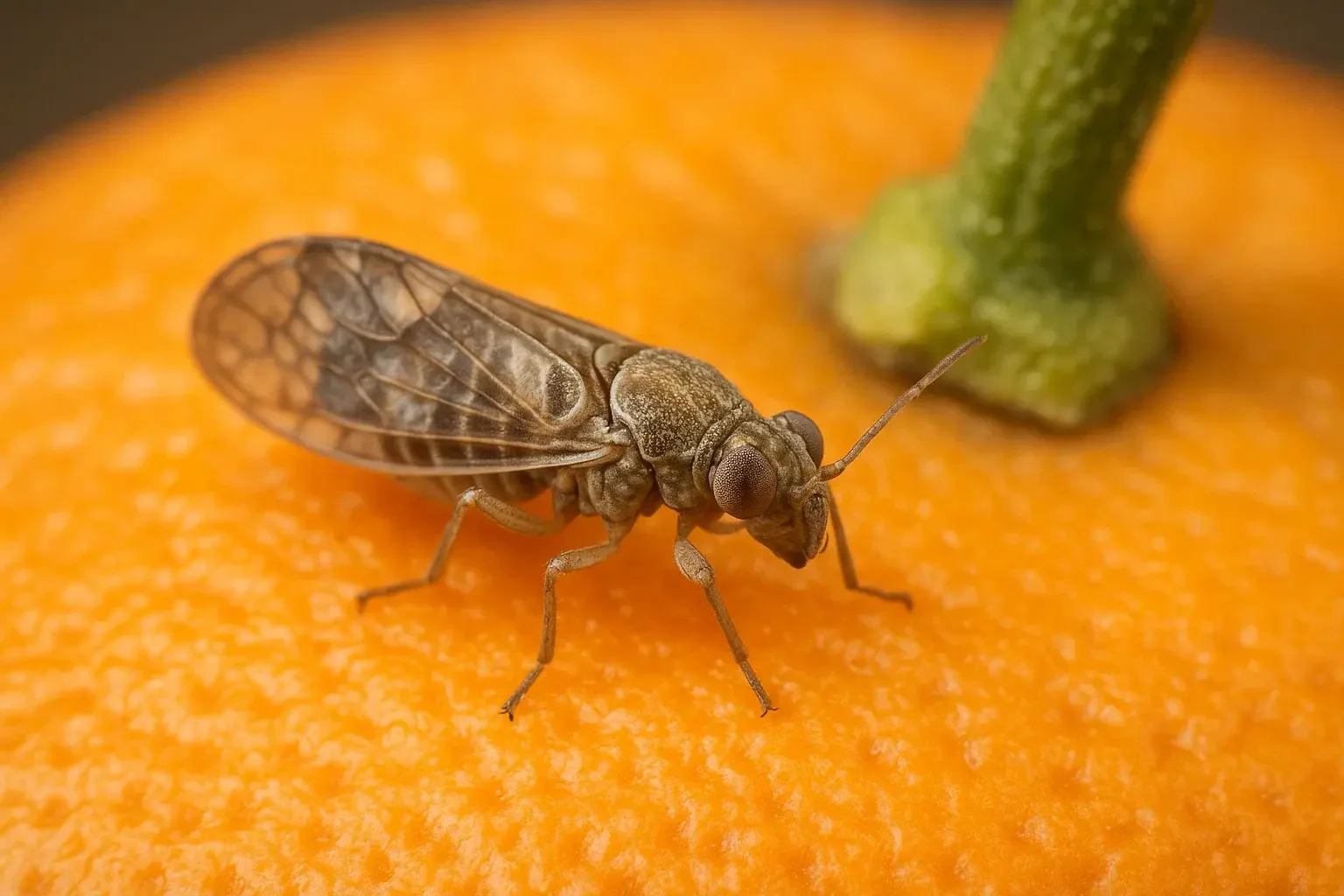
Global Orange Juice Shortage: How Brazil & Florida’s Supply Chain Collapse Is Driving Prices Up
Global orange juice prices are hitting record highs as extreme weather and citrus disease disrupt production in Brazil and Florida. This article breaks down the orange juice supply chain crisis, why shortages are happening, and how climate change is reshaping the global breakfast economy.

Why the Supply Chain Is Breaking and How a Decoupled Data Architecture Can Fix It
Food supply chains face major pressure (climate, ESG) but are hampered by "data chaos" – critical data is trapped in scattered formats (PDFs, chats) and decisions are made on tools like Excel. Finches CTO Steffi Glenn and analyst Carlo Velten propose the fix: combining a decoupled data architecture with Generative AI (GenAI) to finally achieve supply chain resilience.

How GenAI Is Rewriting the Startup Playbook: Insights from Road to DevFest 2025
At Road to DevFest 2025 in Munich, Finches’ Co-founder and CTO, Steffi Glenn, discussed how Generative AI (GenAI) is becoming essential for survival in volatile markets, stressing that speed and resilience are the new measures of success.
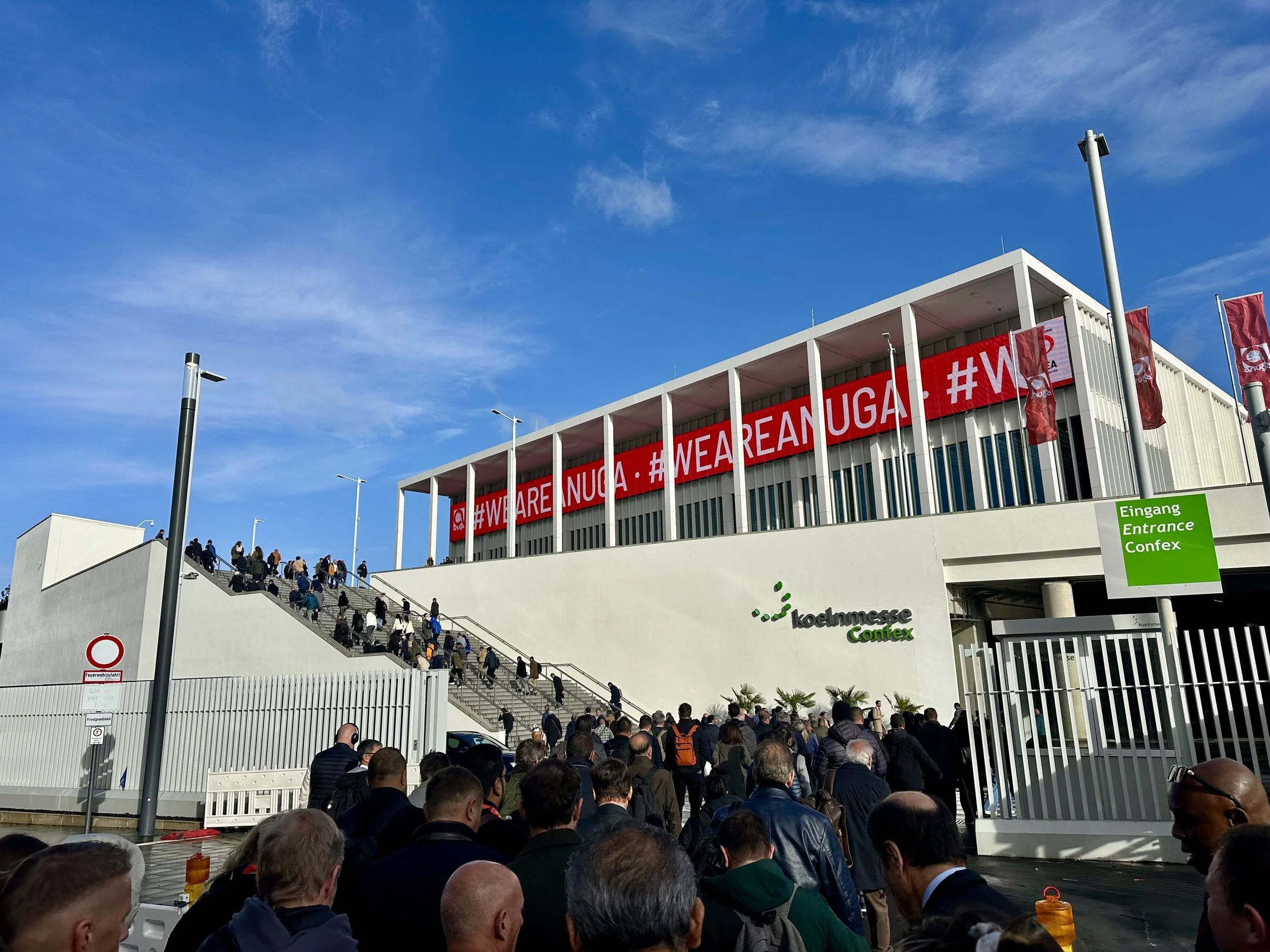
Anuga Value Chain Reloaded: Turning “Black Swans” to Predictable Data wih AI
With climate, conflict, and logistics crises converging, food supply volatility is the new normal; and crop yields could fall 35% by 2050. At Anuga’s Value Chain Reloaded panel, Finches CEO Catharina van Delden argued that AI-driven risk mapping is key to linking environmental data to business decisions and securing a resilient food future.

Scaling Impact in 2025: Reflections from Norrsken Impact/Week
Norrsken Impact/Week 2025 in Barcelona gathered founders, investors, and changemakers to tackle today’s biggest challenges. Panels on climate tech, AI, and social systems highlighted where vision meets execution – and where impact scales. The real value? Connecting with founders across sectors and seeing the power of collaboration in action.
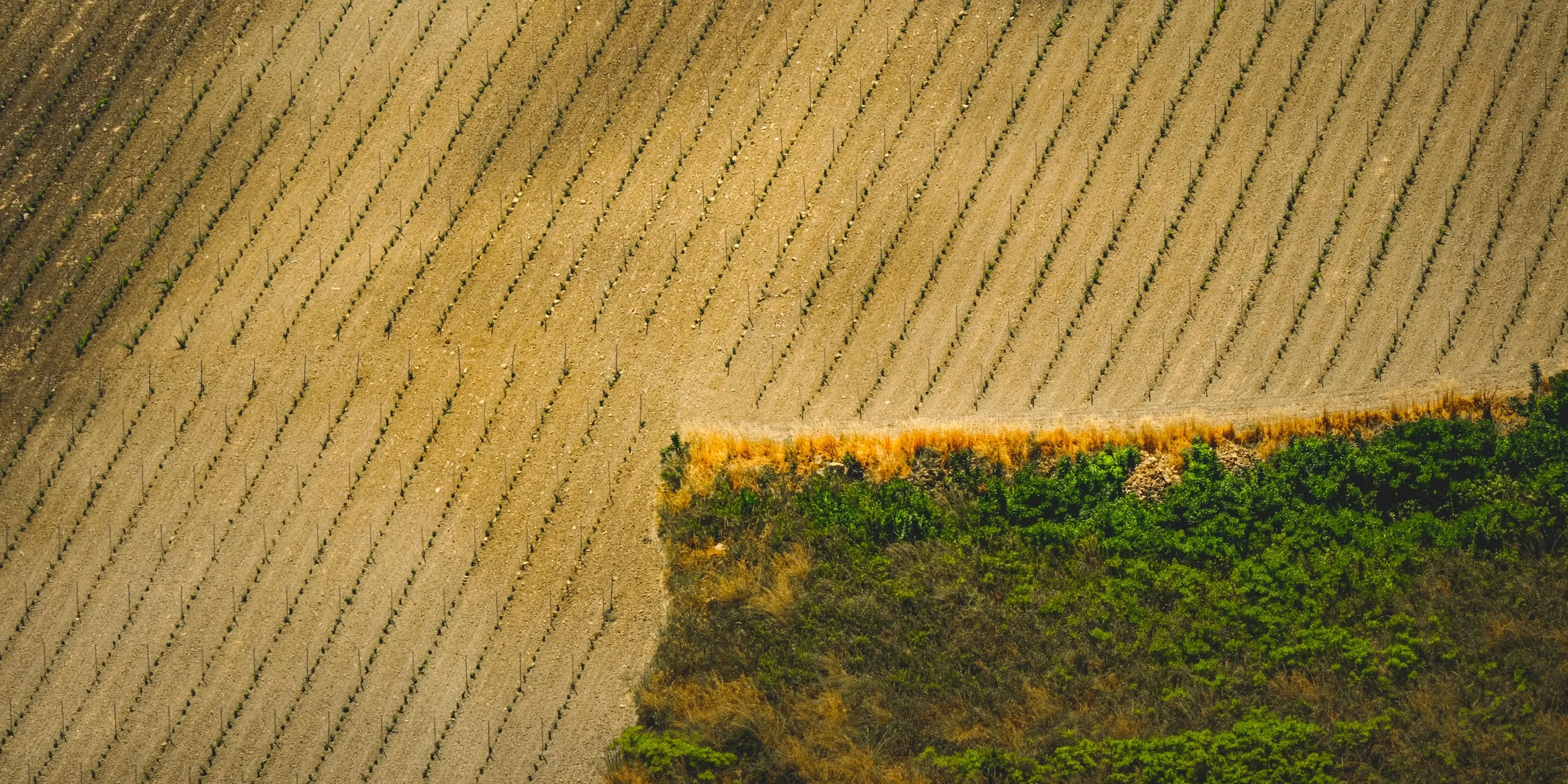
Climate’s Grip on Global Harvest: Price Shocks & Supply Risk
The global agricultural chessboard is being violently reshuffled. For those in the business of sourcing raw materials, the old rulebook is officially obsolete, shattered by a force more powerful and unpredictable than any market crash: climate change. This isn't just about rising temperatures; it's a tectonic shift in everything from crop yields and flavor profiles to labor dynamics and the very integrity of our supply chains.
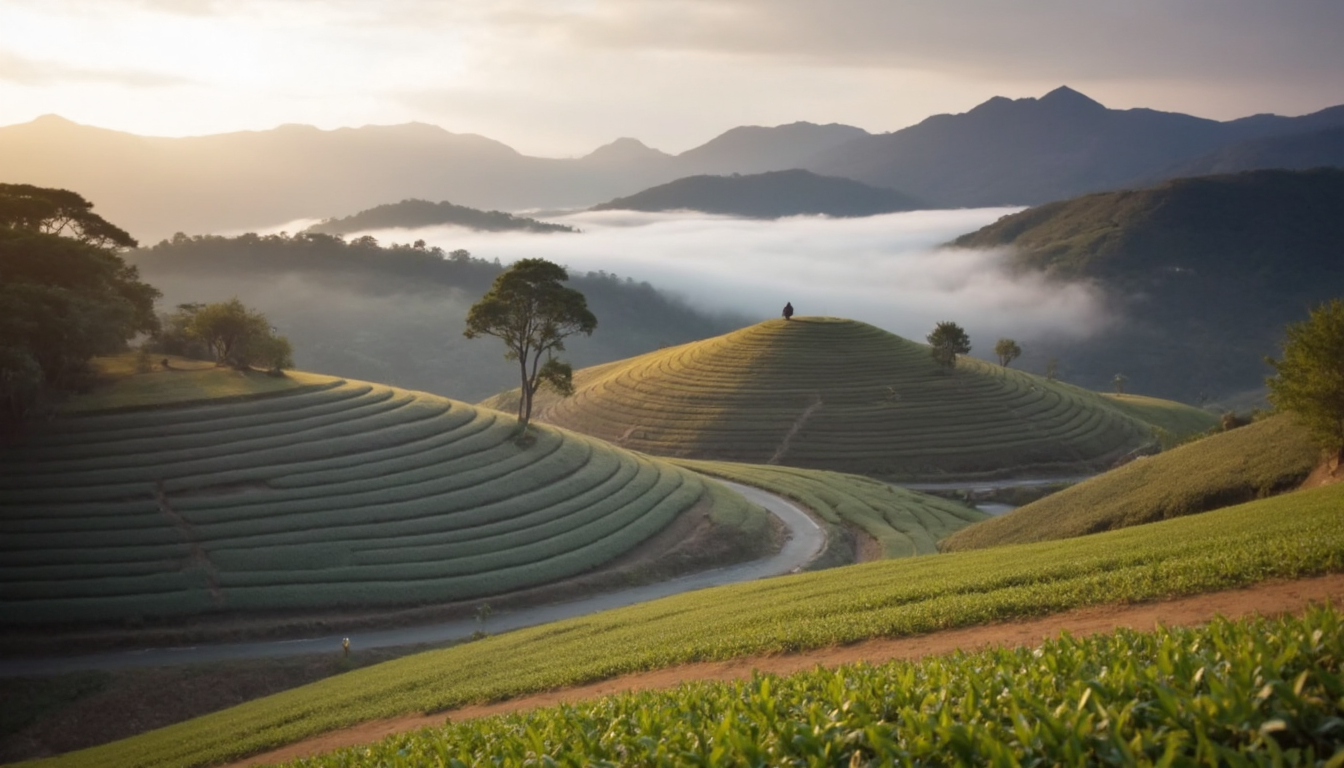
Your Morning Brew, under Siege: How Climate Change is Rewiring the World of Tea
Every day, billions of cups of tea are sipped worldwide, a ritual that anchors a vast global industry and sustains countless livelihoods, especially in developing nations. But this daily comfort faces an unseen, escalating threat: climate change. Its unpredictable weather patterns are not just tweaking the thermometer; they're fundamentally re-engineering tea cultivation, impacting yields, quality, and the entire supply chain. Tea, mostly grown in rain-fed systems, is acutely vulnerable. The profound impact of climate change on tea cultivation presents significant challenges to its yield, quality, and sustainability.